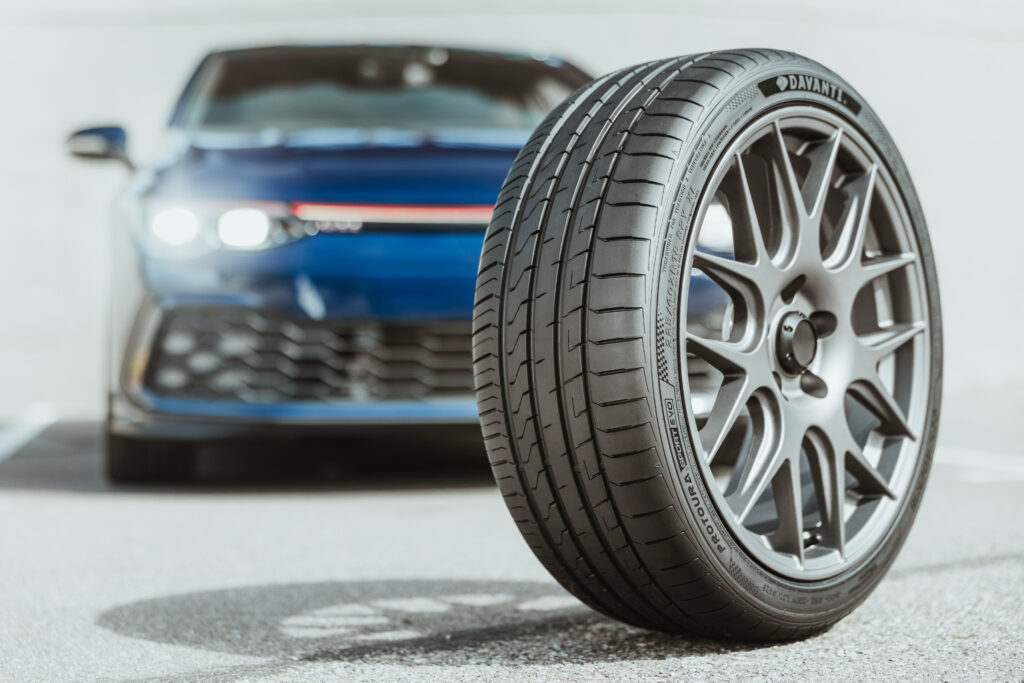
Why all-season tyres are becoming the popular choice for drivers
25th November 2026
UK winters are turning noticeably wetter and forecasts seem to change rapidly, which means relying on standard summer tyres to get through the winter months is becoming a bigger risk than ever before.
Below we outline the key benefits of all-season tyres that are swaying drivers to make the switch.
Convenience
The average mileage driven by motorists in 2025 was just over 7,000 miles*, which means these drivers would be looking at replacing their tyres after around 6 years. If they were to own a set of dedicated winter tyres and do the changeover at the turn of the season, both sets of tyres would likely perish due to old age before the tread became worn to the point of replacement.
All-season tyres such as our range provide a convenient solution – they can be fitted once and they will perform all year round, saving the need to swap tyres with the seasons. This eliminates any concerns around tyre storage and the anxiety of knowing when the right time is to make the switch. Not to mention taking the time out of a busy schedule to get the vehicle to a garage and have the tyres swapped.
That being said, convenience does not override safety, and this should be the driving force for choosing all-season tyres.
Wet weather safety
There can be a misconception that all-season tyres are just for snow. They are actually perfect for the UK’s increasingly wet winters. According to data from the Met Office**, the frequency of extremely wet winters – with twice the average amount of rainfall – has doubled for the past decade. And these bursts of heavy rainfall can come on quite suddenly, following a period of dry, settled weather, meaning the roads can quickly become slippery and unpredictable. Drivers usually underestimate braking distances in the wet, and when doing so at speeds of 60mph, this can take around 5 metres longer on summer tyres in comparison to those built for cold weather. This can make a huge difference when trying to make an emergency stop.
This is why tyre handling and grip is critical in wet weather for safety – more on that here – and all-season tyres are adaptable to such weather swings which helps instill confidence in drivers.
You can find out more about how all-season tyres are designed to handle wet weather here.
Long term savings
While all-season tyres can typically cost a little more upfront than summer tyres, the long term savings far outweigh the initial outlay.
We’ve already mentioned how some costs can be saved simply by not swapping between seasonal tyres, but there’s also the durability factor that is attractive to many motorists. An all-season tyre compound is designed to be more flexible in cold temperatures, which provides more effective grip and prevents the rubber from stiffening and becoming brittle – a typical occurrence with summer tyres. This in turn can also help to prevent any insurance claims or repair costs resulting from lower-speed accidents in icy conditions.
All-season tyres are 3PMSF certified, meaning they are specifically equipped to drive in the snow and ice. You can find out more about how to identify a 3PMSF tyre here.
Commercial benefits
All-season tyres have perhaps become most attractive to light commercial vehicle fleets for many of the reasons above. As demand for home deliveries continues to grow – particularly during the festive season – businesses can’t afford vehicle downtime due to tyre swaps or repairs. Fitting all-season tyres is cost effective, reliable and durable against the conditions.
If you’re considering making the switch, you can find out more about our all-season product range here, or contact your local Davanti dealer.
Sources: *RAC Foundation
**Met Office