Cold weather driving hazards to be aware of
24th November 2026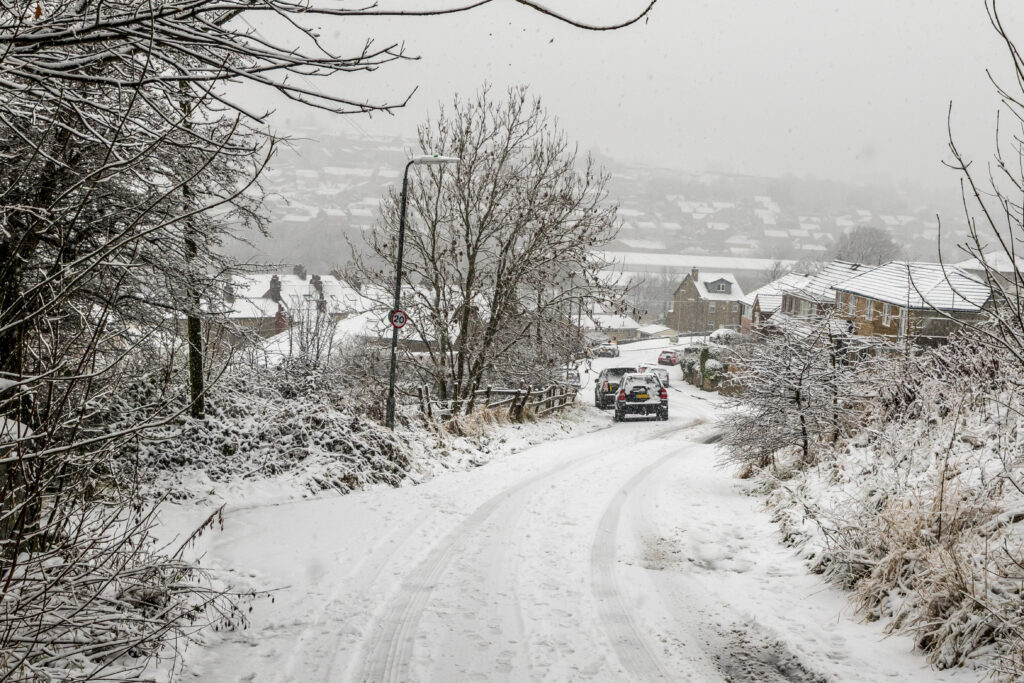
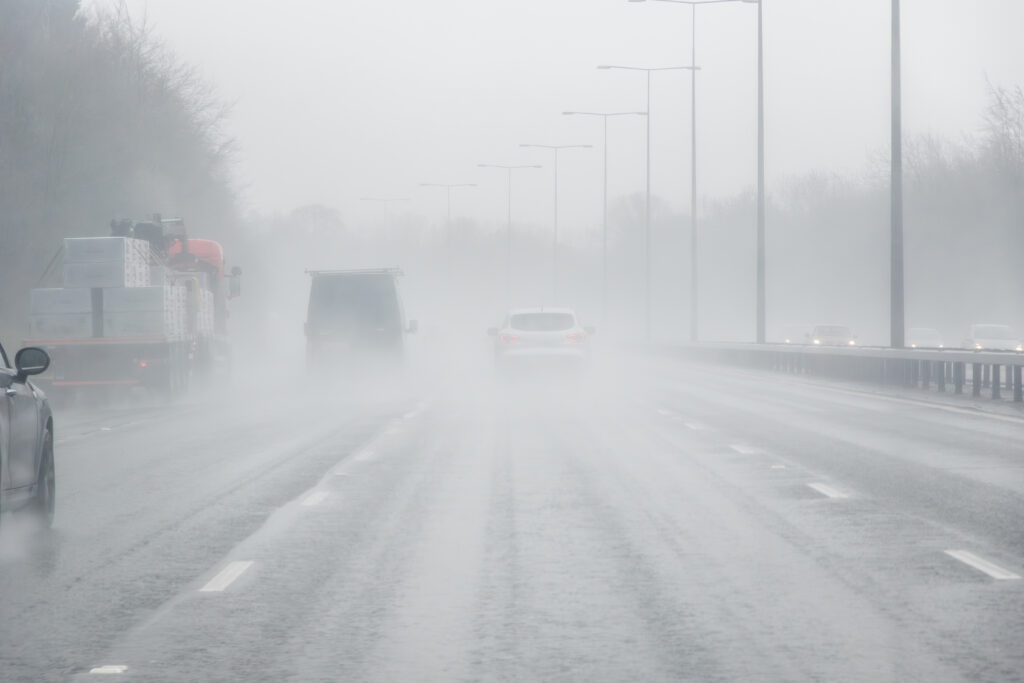
Wintry conditions can wreak havoc on the roads, with slippery tarmac, poor visibility and reduced traction all contributing to challenging commutes and treacherous errands.
For a controlled, safe driving experience, it’s critical to pay attention to tyre condition, as your rubber is the only thing connecting your vehicle to the road. Read on for some of the most common cold weather hazards that could be putting your tyres at risk.
Pothole tyre damage
It’s been widely reported that pothole-riddled roads across the UK are in desperate need of repair, and late winter is when these issues become even more heightened. But what causes potholes?
When rainwater gets into small cracks in the tarmac and freezes, it expands, causing the cracks to become bigger. When the ice melts, it leaves a gap under the road surface, and the weight of vehicles pushing down on the tarmac then creates the hole. When this cycle repeats over months of cold weather, holes become bigger, more hazardous and more populated.
How can I protect my tyres from potholes?
Aside from slowing down when a pothole comes into view, the best protection against potholes is to keep your tyres properly inflated. If your tyres are inflated to the correct pressures, they are more likely to effectively absorb the shock of a pothole impact, protecting both tyre and wheel. Too much flex in the tyre causes compression upon impact and increases the risk of damage. Equally, too much pressure in the tyre takes away any cushioning that helps to absorb the impact, making your suspension components, chassis and wheel alignment vulnerable to damage. Not to mention, the chances of a blowout become much higher when a tyre is overinflated.
For advice on what to look out for if you do hit a pothole, check out our blog.
Tyre pressures
We now know why maintaining the correct tyre pressure is important for protection from potholes, but why is it otherwise crucial to every day driving?
Cold air doesn’t expand like hot air does, which means it takes up less space inside the tyre, and pressure is therefore reduced even without a leak in the rubber. When a tyre is underinflated, there’s less grip because the tread starts to go in on itself, reducing the contact patch on the road. This means stopping distances become longer, the tread wears down faster, and rolling resistance increases.
So, it’s even more important to check your pressures regularly during the autumn and winter seasons to avoid putting yourself and other drivers at risk.
How do I check my tyre pressures?
You can check your tyre pressures either at home – if you have a tyre inflator – or most petrol stations provide a machine where you can pay to check and adjust your pressures.
When you insert the pump, it will show your current pressure levels. You can find out what the pressure should be by checking the sticker on the inside of your car door, and inflate accordingly. It’s best to do this before any journeys, as tyres that are hot will not display an accurate reading.
Reduced traction
Slippery road surfaces caused by icy or wet weather reduce the tyre’s ability to grip the road effectively. If your tyres are already worn quite significantly or not inflated correctly, this further compromises grip.
The newer the tyre, the better the grip as each groove channel is deep enough to disperse water and bite into the tarmac.
Tyre type is also important when it comes to traction. If you are driving on summer tyres in winter, the rubber is more likely to stiffen in the cold, which can make it brittle and prone to cracking. This is where all-season tyres can be an effective solution for those that live in more urban areas and don’t want to invest in winter tyres. All-season tyres are more flexible in the cold as they are designed to work at temperatures below 7℃. This ultimately provides better grip and predictability. You can find out more about the differences between summer and all-season tyres here.
What can I do to help improve grip when it’s slippy?
While you can’t control the weather, you can prioritise checking your tyre condition. Inspect tread depth, pressures and the general visual condition of each tyre at least once a month to give yourself the best chance of a safe journey when the weather is less predictable.
The legal minimum tread depth in the UK is 1.6mm, but during the cold months, industry advice says anything below 3mm should be replaced.
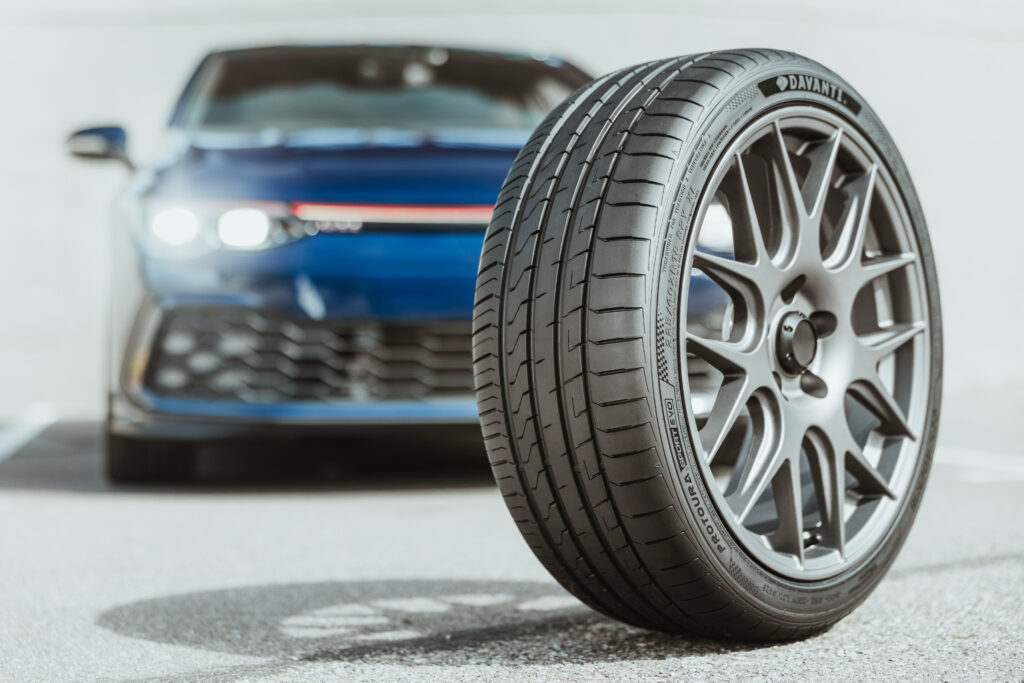
For more information about how to care for your tyres in the cold, contact your local Davanti dealer.