The importance of adjusting tyre pressures in the cold
28th November 2025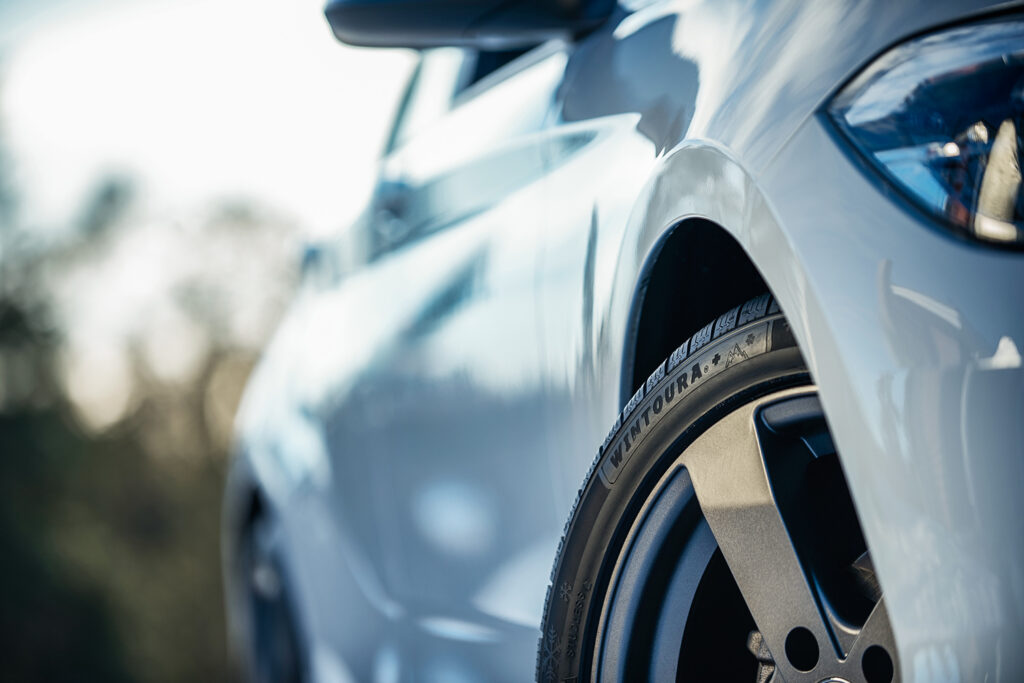
It is vital to adjust your vehicle maintenance as temperatures drop, with tyres being a critical safety component. The cold causes the rubber in your tyres to expand and contract. Consequently, it is essential to proactively adjust your tyre pressures, as understanding this effect is key to safety. So to help you prepare, we’ve got you covered with a handy guide below.
How does the cold influence my tyres?
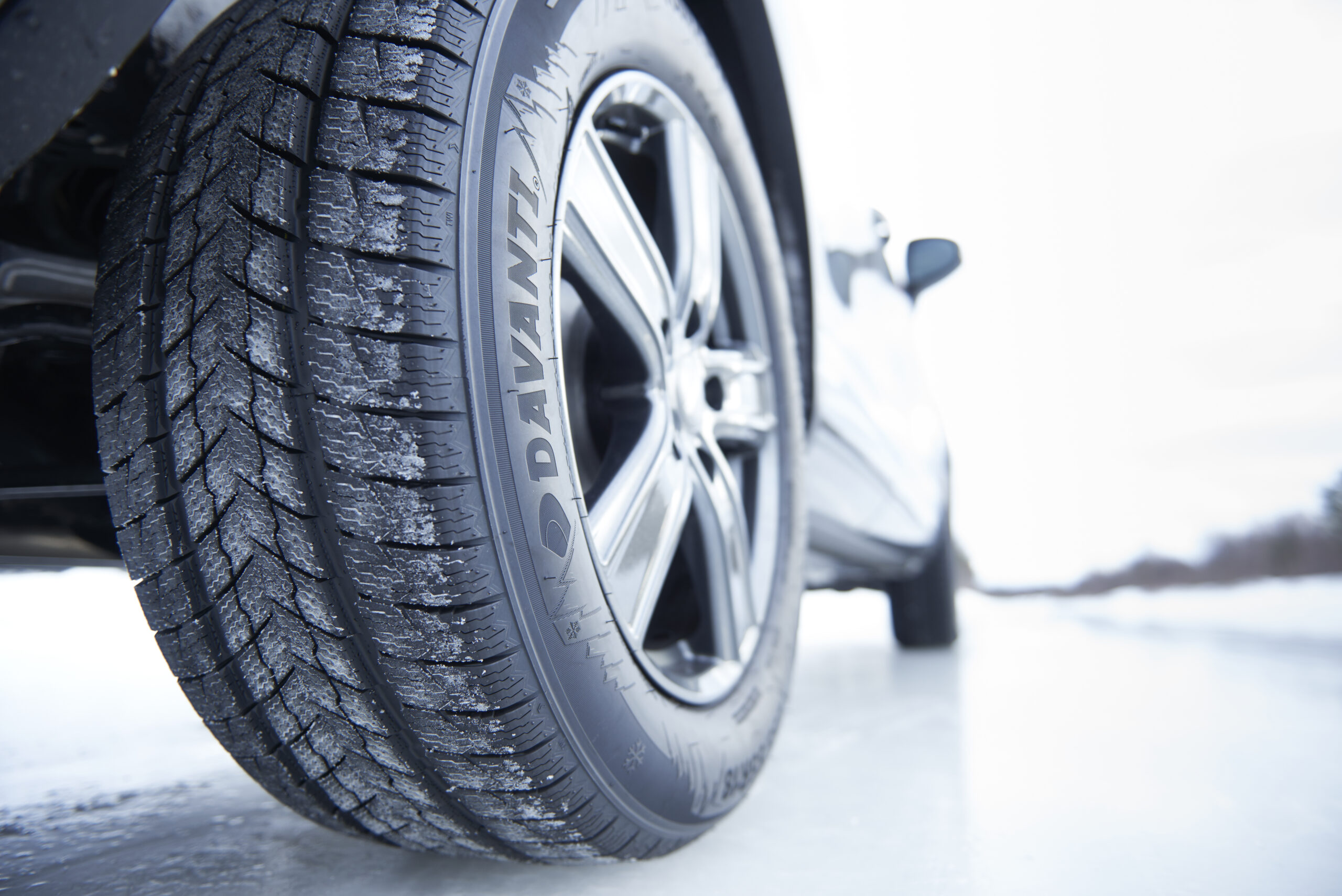
The decreasing temperatures outside have a direct impact on the pressure in your tyres. As a rule of thumb, for every 10 degrees the temperature drops, you can expect your tyre to lose around 1 to 2 psi worth of pressure. This pressure reduction can become significant, especially during the weather the UK is known for, with its rapid fluctuations and temperature drops.
The science behind it
Air is made of tiny molecules that are in constant motion, all moving through the interior of your tyre, which keeps it inflated. Tyre pressure drops in cold weather due to the air molecules in your tyre moving slowly as energy is spent by the cold temperatures, which causes a contraction and reduces the amount of pressure pushing against the tyre wall.
What are the risks of not re-inflating my tyres?
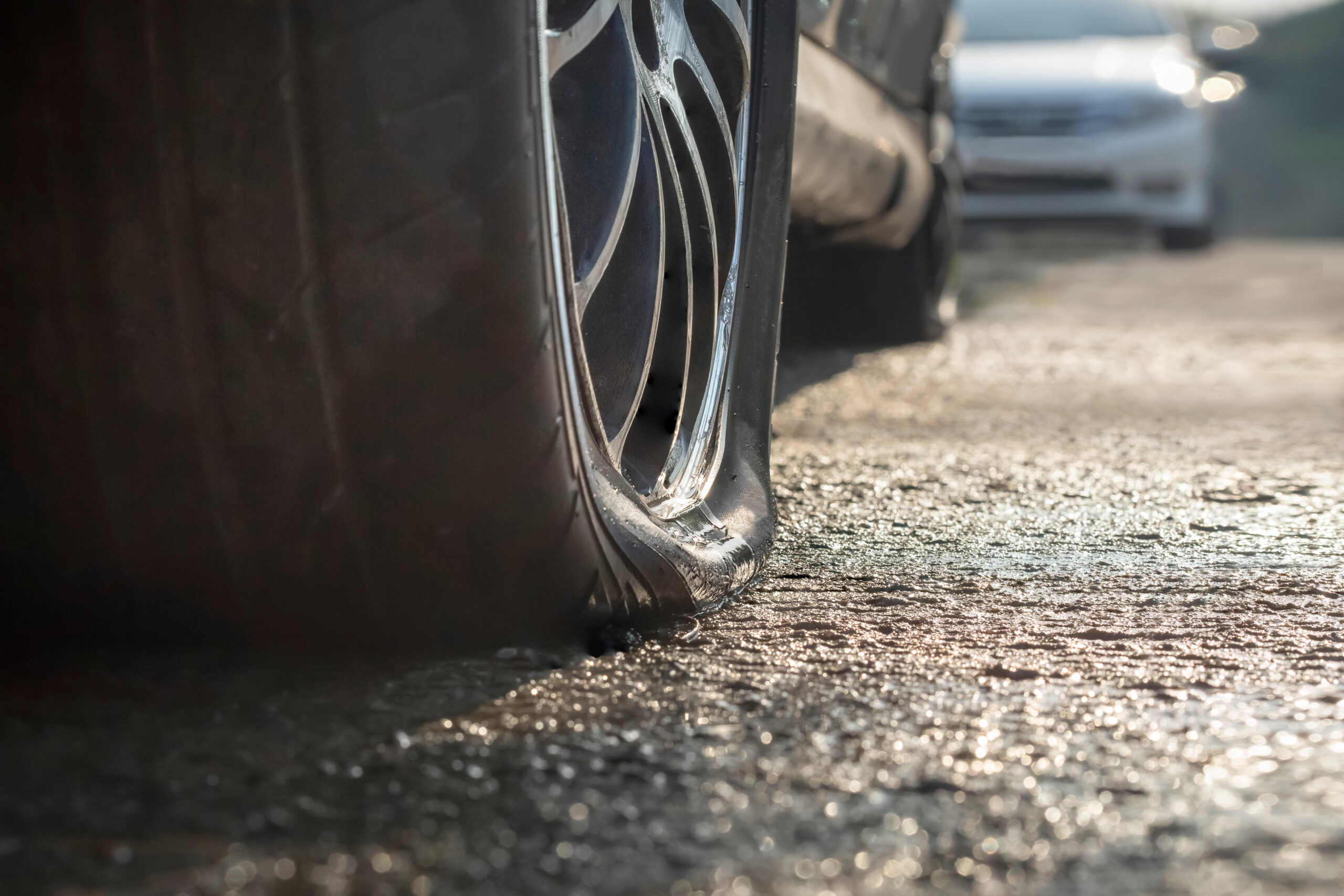
Underinflated tyres can pose a risk to drivers and other road users if regular attention is not given to them.
The signs of underinflated tyres are:
- Decreased traction and grip.
- An increase in braking distances.
- Decreased control and handling, with reduced responsiveness from the steering wheel.
- Uneven and accelerated tyre wear.
Do I still need to adjust my tyre pressures with winter or all-season tyres?
Unfortunately, winter tyres aren’t immune to the impacts of physics; however, winter tyres like our Wintoura range and all-season tyres like the Alltoura 4-Seasons can help reduce the risks while driving in the wet and icy conditions of Autumn and Winter. Replying to product performance is not a substitute for routine checks, and as the temperature fluctuates, you must adjust the air pressure to the recommended levels.
How do I know if my tyres need inflating?
Whilst the easiest way to check your tyre pressure would be a pressure gauge, we appreciate that not everyone may have one on hand. So alternatively, there are a few steps you can take to ensure you aren’t driving your tyres underinflated.
- Visible check of the tyres – Look for any flattening, especially when compared to the other tyres on your car.
- TPMS sensor – Most modern cars now have TPMS (Tyre pressure monitoring system) built in, which will alert you if your tyres fall short of safe levels.
- Reduced handling and control – If your steering feels unresponsive or you find yourself correcting your steering more often, this may be a sign of an issue with your tyres.
- Check for any premature wear – Underinflated tyres will slowly wear down the edges of your tyre as the weight of your car pushes downward.
How do I check my tyre pressure?
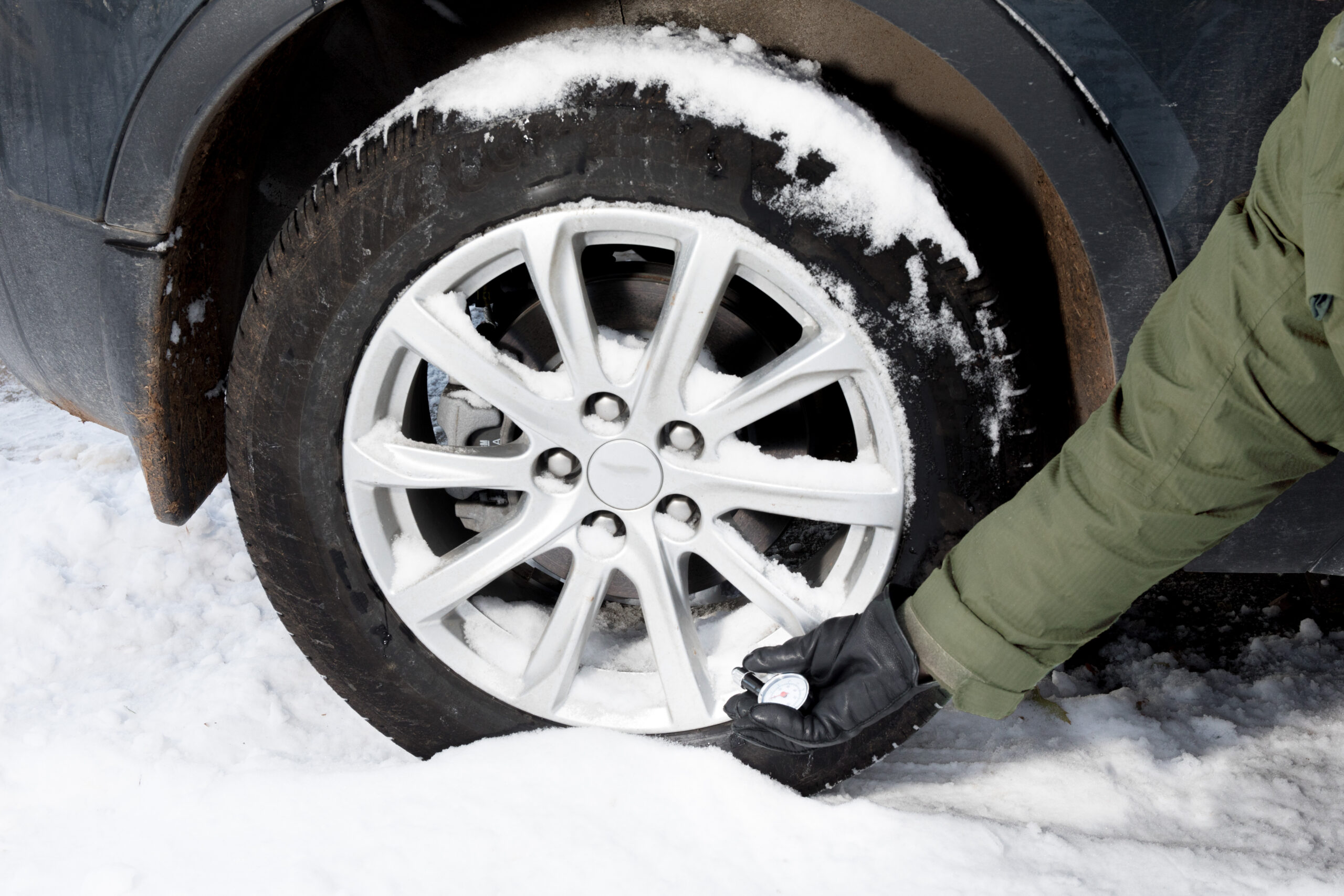
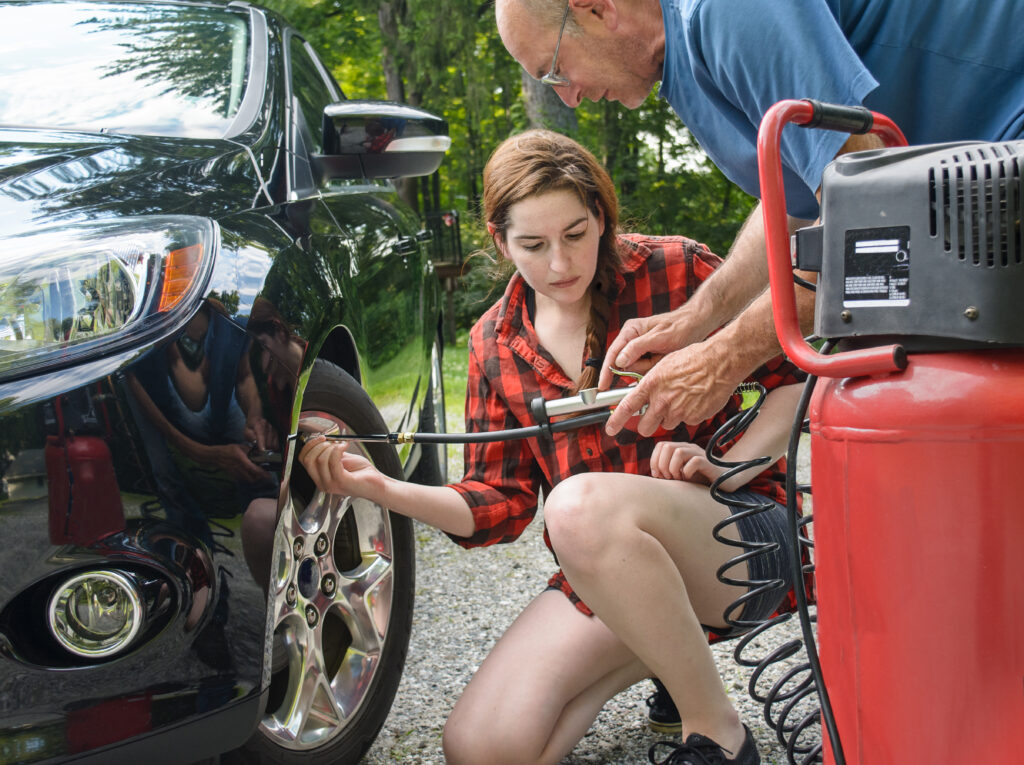
If you believe your tyres may be underinflated, there are simple checks you can do yourself. We recommend having your own tyre inflator to make things easier, but if you don’t, many petrol stations will have them fitted, albeit with a small cost.
Your tyre pressures will be detailed within your vehicle handbook, and on a label on the inside of the passenger door well, or on the inside of your fuel cap.
To check your initial pressure, simply remove the dust cap from the tyre valve and place the valve onto the stem. This will project your tyres’ current readings.
Simply press down until your tyres reach the correct pressure. If you notice your tyres losing air afterwards, it is advisable to seek expert advice. This process applies equally to portable gauges, which are handy to keep in your boot.
In conclusion, you may underestimate the impact the temperature can have on your tyres, but with a little planning and routine checks, you should be able to keep your tyres healthy this winter. If you’re looking for some winter or all-season tyres, we’ve got you covered at Davanti. Check our full 3PMSF range. Or to reach out to some experts or find your closest Davanti dealer, use our handy dealer locator.