Driving through flooded areas safely
14th October 2026
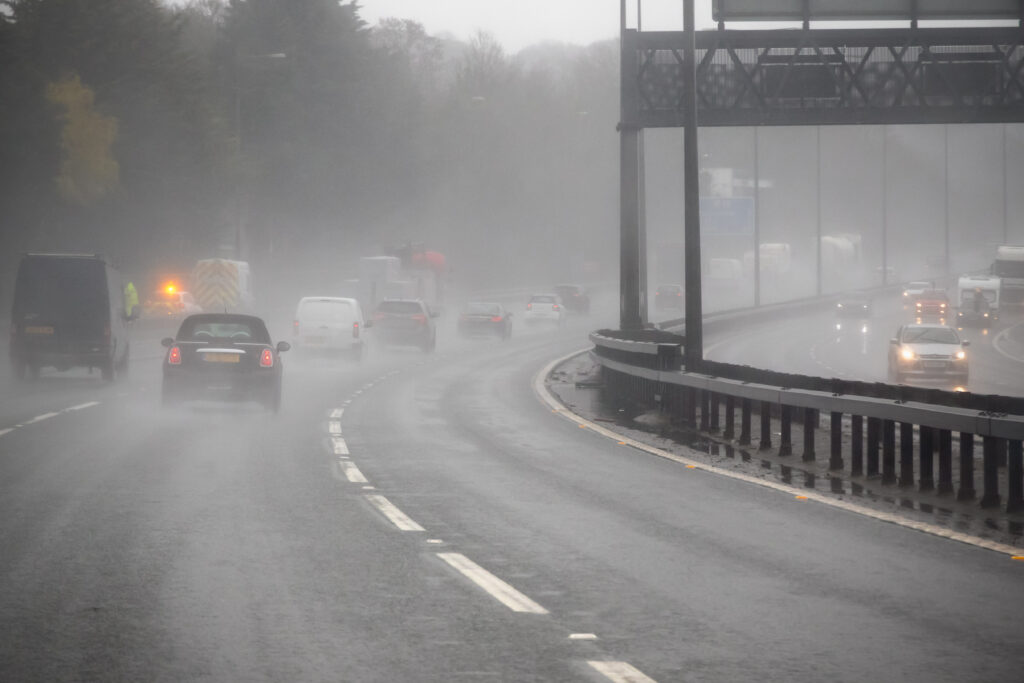
Autumn brings the return of wet weather, with sudden heavy downpours severe enough to flood a road in a matter of minutes. In these scenarios, you need to be able to rely on your tyres to navigate the conditions safely.
What happens to your tyres when they encounter water?
In typical wet conditions, the grooves in the tyre tread act as channels that keep the flow of water moving out and away from the contact patch. This helps the tyre maintain grip on the tarmac. In standing water or very heavy rain, as the water levels rise and become more dense, tyre grip is compromised due to lack of friction, the grooves become blocked and water begins to accumulate. In some cases, the water can wedge itself at the front of the tyre and then make its way underneath, lifting the rubber off the ground completely, causing aquaplaning.
How to keep your tyres grounded in heavy rain
There are many factors that can influence the likelihood of aquaplaning, several of which can be managed:
- Speed – When travelling above 50mph on wet roads, the chances of aquaplaning increase. Reduce your speed during heavy downpours to retain control and give yourself more time to brake.
- Tread depth – When a tyre is worn, the grooves become much more shallow making it harder for the water to disperse, leading to a compromise in grip. Check your tread regularly around the full circumference of the tyre. If your readings are 3mm or lower, your tyres should be replaced for optimum traction and braking capability.
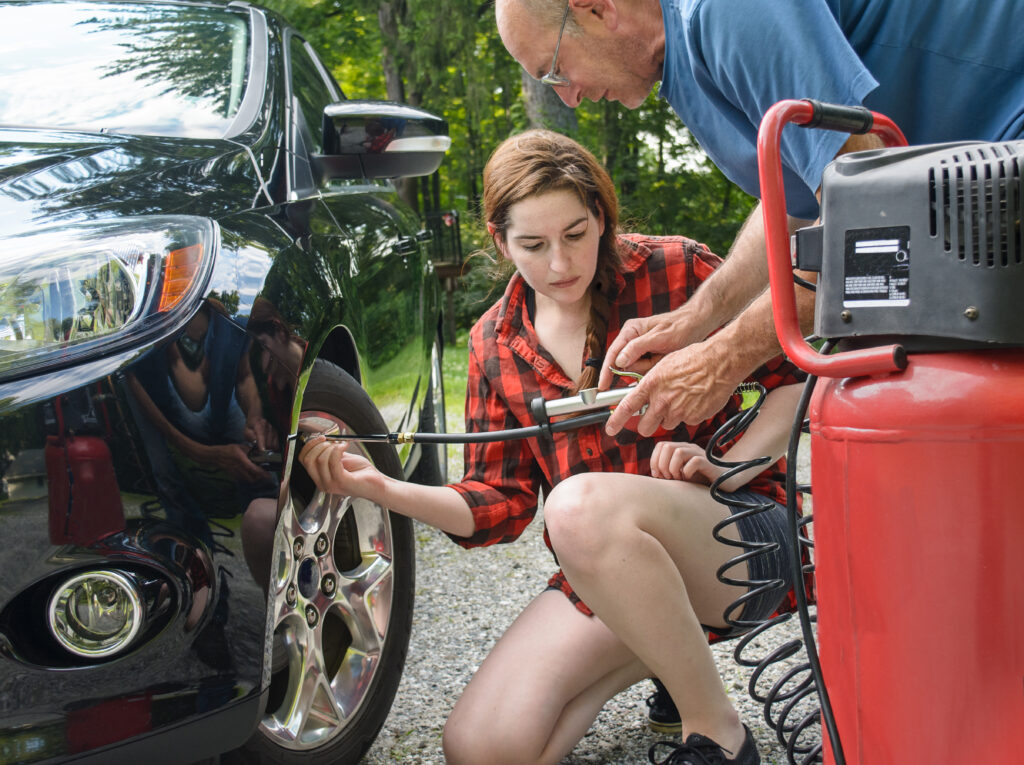
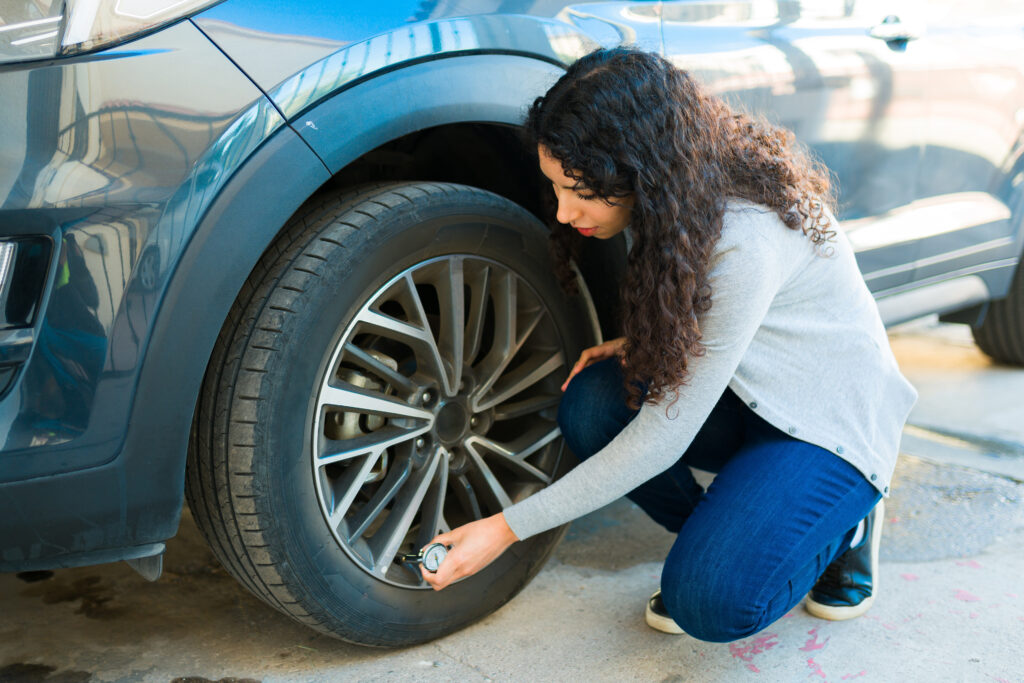
- Tyre pressure – When your tyres are inflated to the correct pressure, the grooves and water channels are opened, allowing them to operate most efficiently. Underinflated tyres sag in the central area, causing the individual channels to narrow and flatten. This can cause water to become trapped and the risk of aquaplaning at lower speeds becomes much more likely. Check that your tyres are inflated to the recommended pressures at least once a month, and be sure to do this when your tyres are cold for an accurate reading.
Driving through flooded roads
Flooded pockets of road should always be approached with caution. Where possible, you should avoid driving through large areas of water but if it’s absolutely necessary, here’s our top tips to doing so safely:
- Assess the depth of the water before entering. Look at nearby lamp posts, curbs or oncoming vehicles. If the water is coming up above the centre of your wheels, do not drive through it.
- Make sure any oncoming traffic has passed through before you attempt to move forward, as waves generated by other vehicles can increase the chances of water entering the engine bay.
- Drive in the centre of the road, where the camber is at its highest, to ensure you are crossing the most shallow part of the flood.
- Drive slowly and cautiously to avoid any large splashes or waves that could encourage water to enter the engine bay.
Tyres designed for the conditions
All Davanti tyres are built to withstand wet weather thanks to advanced silica compound technology, deep groove channels and numerous sipes across the tread patterns.
When it comes to navigating wet weather in confidence, the Alltoura 4-Seasons range provides the perfect solution. Rated ‘B’ for wet braking under EU label grading, Alltoura boasts a number of features that help drivers stay in control.
- A directional tread pattern and intelligent sipe design help to disperse water
- Superior wet braking capabilities, as demonstrated in this video
- Deep longitudinal grooves and a large contact patch provide excellent safety and performance in the wet
For more advice about wet weather driving or if you’d like to know more about our range of tyres, speak to your local Davanti dealer.