Fuzz Townshend: Five common driving mistakes and how to avoid them
18th June 2025
When we drive around in our little mobile boxes, we all feel as if we are in a world of our own and that only our rules apply. Those rules are of course faultless and we have no idea why the rest of the world does not do as we do.
Of course that is not true, and we should all be singing from the same hymn sheet, or at least taking our guidance from the same Highway Code – the contents of which we should all have learned from when we started out as road users, and naturally have retained to the present day….ahem.
Hidden within the pages of the Highway Code are hints and tips on how to drive while conserving energy and putting as little strain on our vehicles as possible. Of course, having only one set of rules on how to do things correctly, there are a myriad of mistakes, errors and misconceptions waiting to confuse and confound us. Sometimes what is right and what is wrong changes as road use, vehicles, and road configurations develop over time, leaving us hopelessly outdated.
Here, I’m going to look at five driving mistakes – or should that be bad habits – and hopefully acknowledging them will help us all to be better drivers, and more conscious of what stresses and strains we are subjecting our vehicles to.
1: Heavy acceleration and braking
I’m sure that we’ve all experienced the situation when we become frustrated with our lack of progress on our journey. This may be due to heavy traffic, we set out later than intended, or because we may be caught behind a slow moving vehicle.
This frustration often translates on to the accelerator and brake pedals – which puts stress on our vehicles drivetrain, from the engine through the gearbox, the driveshaft and out through the tyres, causing rapid wear to the tyres and braking components. Think of the juxtaposition between acceleration and braking as being a push and shove fight with no winner.
Not only does this driving style cause unnecessary wear, fuel consumption will also increase, so it might be better to stop in a safe place and then phone or message ahead to let people know that you are delayed. This should lead to a positive experience for both driver and passengers, reduce anxiety at the destination and of course allow for a less stressful travelling experience for those in the vehicle, other road users and vehicle components.
Of course this won’t stop you from missing a flight, a train, a ferry, or the start of the match. The only way to beat these outcomes is to set off earlier and allow more time for your journey. A bit of hanging around at your destination surely beats the stress of rushing?
2: Braking on corners
Something that I often see when travelling behind another vehicle and a bend or corner comes into view. The car in front travels all the way up to the start of the curve and only then applies the brakes. Observant people in vehicles behind may notice that the car attempting to decelerate on the corner pitches its right or left front corner into the bend being taken. This is a result of the weight transfer caused by the forces induced by braking in this fashion.
Driving in such a fashion can put undue stress on braking and steering components, as well as tyres, and cause great discomfort to passengers. It can also be downright dangerous, because all the weight of the car is concentrated on one corner, meaning the rest of the wheels will see their loads lightened, which in extreme cases can cause an uncontrollable skid.
The best way to approach bends is to slow down before entering them and then to accelerate as the clear exit point can be seen and judged. Often there are advisory speed signs on the approach that give a safe recommended maximum speed for these sections of road.
3: Travelling at peak times

There is nothing illegal or wrong about driving at peak times, such as the morning or evening rush-hours, but if you don’t have to do it then why endure what must surely be the most miserable times of the day to travel?
Travelling at peak times is also when you will be subjected to more stop-start style driving which will of course increase fuel consumption and wear on your car’s components.
If heading for work, perhaps an early or late start might be arranged which may see you arrive in a far more productive and positive state of mind. If setting out on holiday, then why not consider a very early morning start when there is very little on the road.
An early arrival might mean that guest accommodation is not yet available but with a little planning, arriving at your destination around breakfast time can give you in effect an extra day’s holiday and you can enjoy discovering your new surroundings before finally getting to your digs to unpack.
4: Failing to prepare your car for your journey
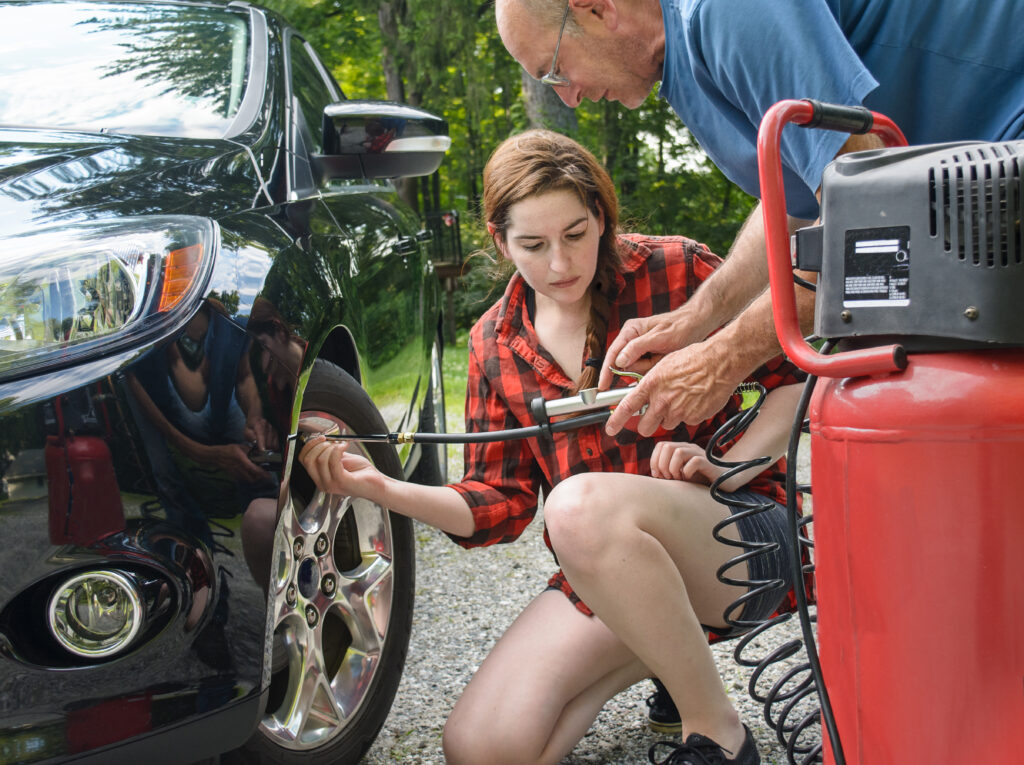
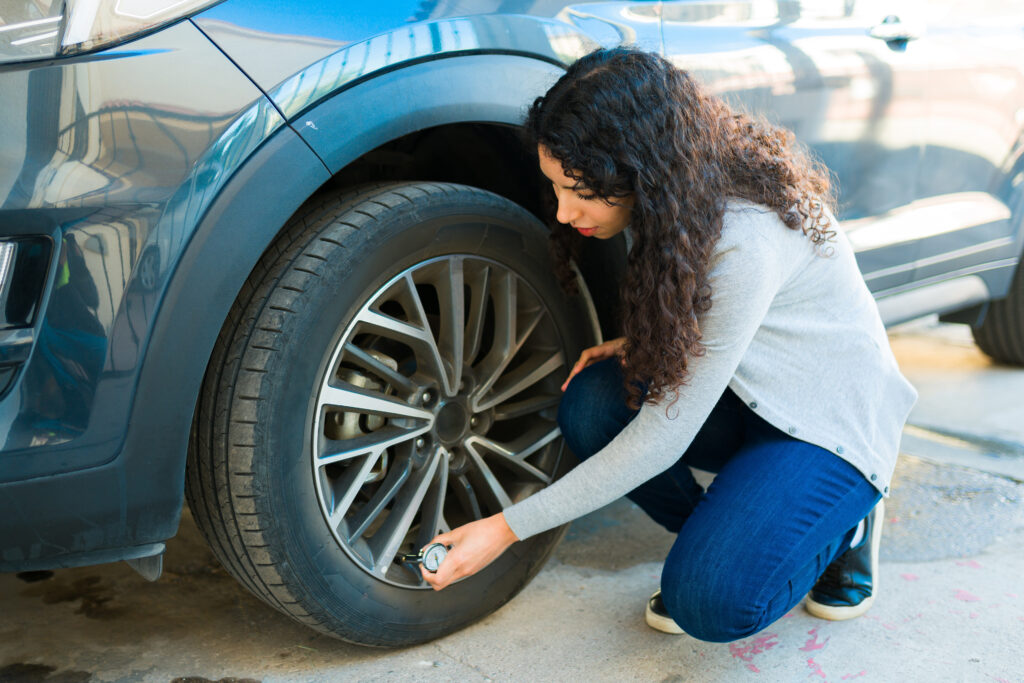
There is nothing worse than setting out on the journey and then suffering some sort of breakdown. Many such occurrences can be avoided with preparation and basic maintenance. Tasks such as checking and adjusting tyre pressures, taking a look at engine oil and checking coolant levels on at least a weekly basis can help to avoid some of the most common failures.
Roads and motorways are littered with the carcasses of tyres which have suffered unexpected punctures and blowouts due to what is often under inflation.
Low engine oil levels can lead to oil starvation or hot running of the engine, rapid wear and even catastrophic failure of the engine itself, which is a mightily expensive and an extremely disappointing experience.
The sight of a blue flashing light in your rearview mirror may also occur due to the failure of one or more of your vehicle’s lightbulbs. A quick check before each journey can give peace of mind knowing that your vehicle is offering its greatest visibility to other road users.
5: Driving hungry, upset or cross
Driving when your state of mind has been negatively altered by some of life’s unfortunate situations is not a great idea.
Hunger is a powerful and all consuming feeling. When driving it can prevent us from concentrating properly on the task in hand, making our minds wander and seeing us concentrate more on where to get sustenance than on the immediate situations occurring on the roads.
Driving when upset really ought to be avoided although sometimes on these occasions we really do need to travel. If this is the case then this is an ideal time to rely upon the kindness of family and friends. Asking them to do the driving will allow you to deal with whatever troubling emotions you are experiencing. It will help prevent you from being in a situation whereby you may be endangering yourself, your fellow passengers and other road users.
Getting behind the wheel of a vehicle in a seething rage is a terrible thing to do, as it can lead to extreme driving actions such as speeding, and other dangerous driving practices. If you are angry, rather than heading out on the road, go for a walk if you need to get out of the house. Perhaps go and see a friend or neighbour, or simply make a phone call and have a talk with somebody who can calm your nerves or help you come down from boiling point.
Causing someone’s death or injury due to driving when angry will change both your life and the lives of others forever. It really isn’t worth the risk, and there is no excuse for it.
Driving is a demanding task, so let’s give it all of our attention when we’re behind the wheel, and enjoy safer, more economical motoring.